Rama Dental Clinic
What Causes Tooth Sensitivity and How to Treat It
Tooth sensitivity is one of the most common dental problems people face today. You may feel a sudden sharp pain when you drink something cold, eat something sweet, or even breathe in cold air. This quick, uncomfortable sensation can make everyday activities difficult and worrying. The good news is that tooth sensitivity is treatable — but understanding the cause is the first step toward relief.
In this blog, we’ll explain what tooth sensitivity is, what causes it, and the best ways to treat and prevent it in simple, easy-to-understand language.
What Is Tooth Sensitivity?
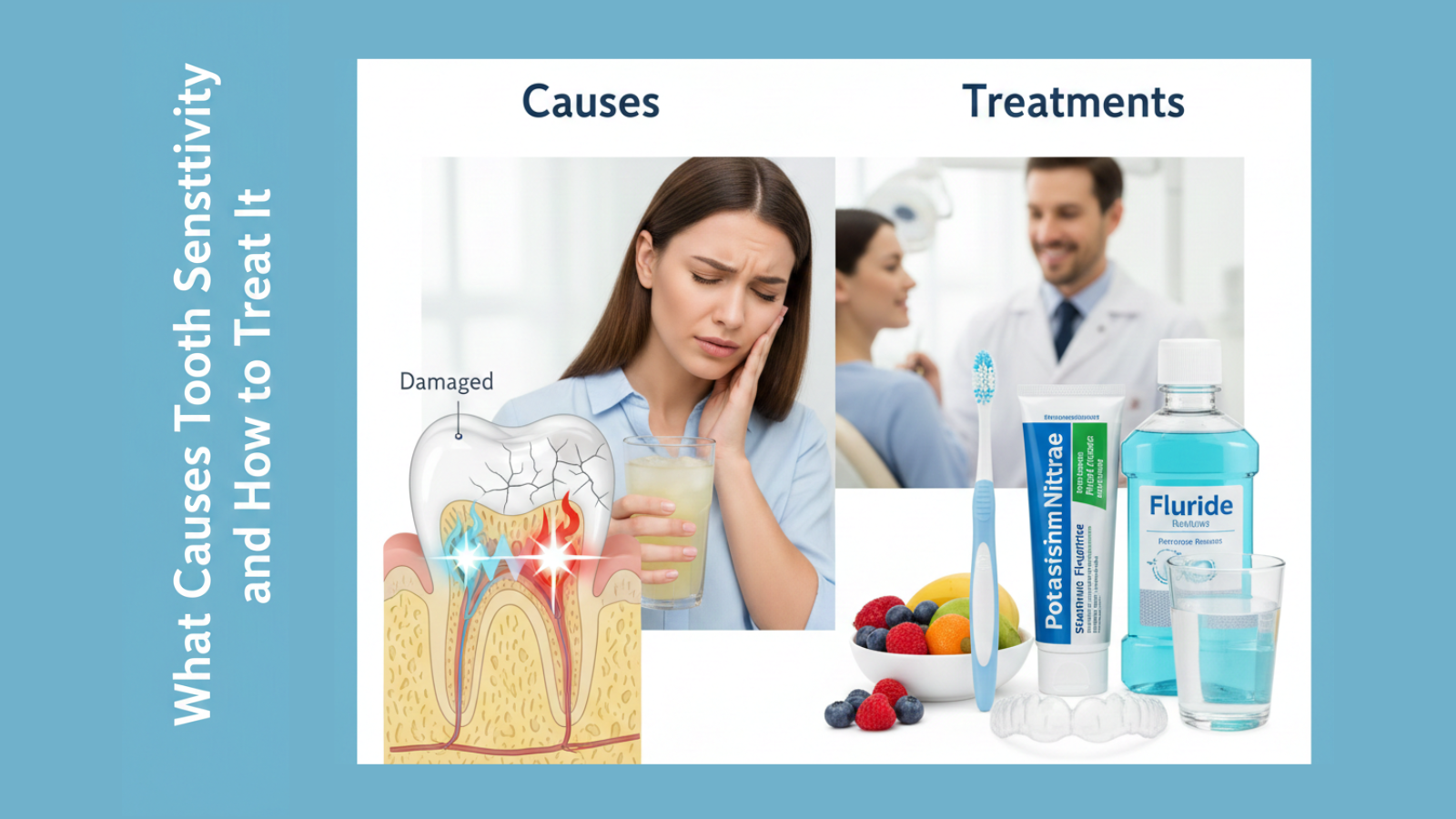
Tooth sensitivity happens when the inner part of the tooth, called dentin, becomes exposed. Normally, your teeth are protected by a strong outer layer called enamel. Beneath the enamel lies dentin, which contains tiny tubes connected to the nerves of the tooth.
When enamel wears down or gums pull back, the dentin becomes exposed. This allows hot, cold, sweet, or acidic foods to reach the nerves quickly — causing that sudden, sharp pain known as sensitivity.
Common Causes of Tooth Sensitivity
There are several reasons why your teeth may become sensitive. Let’s look at the most common ones.
1. Enamel Erosion
Enamel is the hard, protective layer of your teeth. Over time, it can wear down because of:
- Drinking acidic beverages (soda, lemon water, sports drinks)
- Eating acidic foods (citrus fruits, pickles)
- Brushing too hard
- Grinding your teeth (bruxism)
- Poor oral hygiene
Once enamel is damaged, it cannot grow back naturally, leading to sensitivity.
2. Gum Recession
Gums protect the roots of your teeth. When gums pull away or recede — often due to gum disease or aggressive brushing — the roots become exposed. Tooth roots do not have enamel, which makes them very sensitive to temperature changes and touch.
3. Tooth Decay or Cavities
Cavities eat away at enamel and create holes in your teeth. When the decay reaches the dentin layer, sensitivity increases, especially when eating sweet or cold foods.
4. Cracked or Chipped Teeth
A cracked tooth can expose dentin or even the inner nerve. This can cause sensitivity and sometimes severe pain. Cracks can happen due to injuries, biting hard foods, or grinding teeth at night.
5. Worn Out Dental Fillings
Old or loose fillings can cause gaps between the filling and the tooth, allowing heat, cold, or food particles to reach the inner tooth layers.
6. Post-Dental Treatment Sensitivity
Sometimes, after dental procedures like cleaning, whitening, or fillings, teeth may feel sensitive for a short time. This is usually temporary and goes away in a few days.
7. Excessive Teeth Whitening
Frequent or improper use of whitening products can weaken enamel and cause temporary sensitivity.
How to Treat Tooth Sensitivity
The best treatment depends on the cause of your sensitivity. Here are the most effective and commonly recommended solutions.
1. Use a Desensitizing Toothpaste
Desensitizing toothpaste blocks the tiny tubes in the dentin and prevents signals from reaching the nerves. With regular use, sensitivity decreases within a few weeks.
Look for ingredients like:
- Potassium nitrate
- Stannous fluoride
2. Switch to a Soft-Bristle Toothbrush
Brushing too hard can damage enamel and gums. Use a soft-bristle brush and gentle strokes to protect your teeth.
3. Reduce Acidic Foods and Drinks
Limit items like:
- Soda, energy drinks
- Citrus fruits
- Vinegar-based foods
- Pickles
If you do consume them, rinse your mouth with water afterward.
4. Fluoride Treatment
Dentists often apply fluoride varnish to strengthen enamel and reduce sensitivity. Fluoride makes your teeth more resistant to acid attacks.
5. Treat Gum Disease
If gum recession is the cause, treating gum disease is essential. Your dentist may recommend:
- Deep cleaning (scaling and root planing)
- Medications
- Gum grafting (in severe cases)
6. Fillings, Crowns, or Bonding
If cavities, cracks, or damaged enamel are causing sensitivity, your dentist may repair the tooth with:
- Dental fillings
- Bonding
- Crowns
These treatments cover exposed dentin and protect the nerves.
7. Use a Mouthguard for Teeth Grinding
If you grind your teeth at night, a custom mouthguard can prevent enamel wear and reduce sensitivity.
8. Avoid Overuse of Whitening Products
If whitening is causing sensitivity, reduce usage or switch to a gentler method. Always follow dental guidance.
Home Remedies That May Help
Along with professional treatments, some simple home practices can also support relief:
- Rinse with warm saltwater to soothe gums
- Use lukewarm water instead of cold water
- Maintain good oral hygiene without brushing too hard
- Drink plenty of water throughout the day
When You Should See a Dentist
If sensitivity:
- Persists for more than a week
- Worsens over time
- Is accompanied by pain, swelling, or bleeding
- Affects multiple teeth
- Interferes with eating or drinking
…it’s important to see a dentist. Untreated sensitivity can lead to bigger dental problems like cavities, infections, or gum disease.
Conclusion
Tooth sensitivity is common, but it doesn’t have to disrupt your daily life. By understanding the causes and taking the right steps, you can reduce discomfort and protect your teeth. Simple changes like switching toothpaste, improving brushing habits, and avoiding acidic foods can help. However, if sensitivity persists, professional dental care is the best way to treat the root cause and prevent future issues.
A healthy smile starts with awareness and timely action — and treating tooth sensitivity early can keep your teeth strong and pain-free for years.
📍 Visit Rama Dental Clinic – Best Dental Clinic in Lucknow
📞 Book an appointment today for expert treatment of tooth sensitivity and comprehensive dental care.
Explore More Blogs
Can a Patient With Crowns or Bridges Still Get Braces?
Discover if you can get braces with crowns or bridges. Learn about treatment options, precautions, and expert orthodontic care.
Read MoreWhat Is a Dental Implant and Who Needs It?
Losing a tooth can affect the way you eat, speak, and smile. It can also lower your confidence. But thanks to modern dental treatments, there's a strong and long-lasting way to replace missing teeth — dental implants.
Read MoreWhy Dental Implants Can Be Your Best Option?
Have you lost a tooth or multiple teeth through an accident or an oral disease? Do your missing teeth make it uncomfortable for you to laugh in public?
Read More